Is the China Food & Drinks Fair Still Worth Attending?
*This article is exclusively createdby Wine Magazine and translated by AI
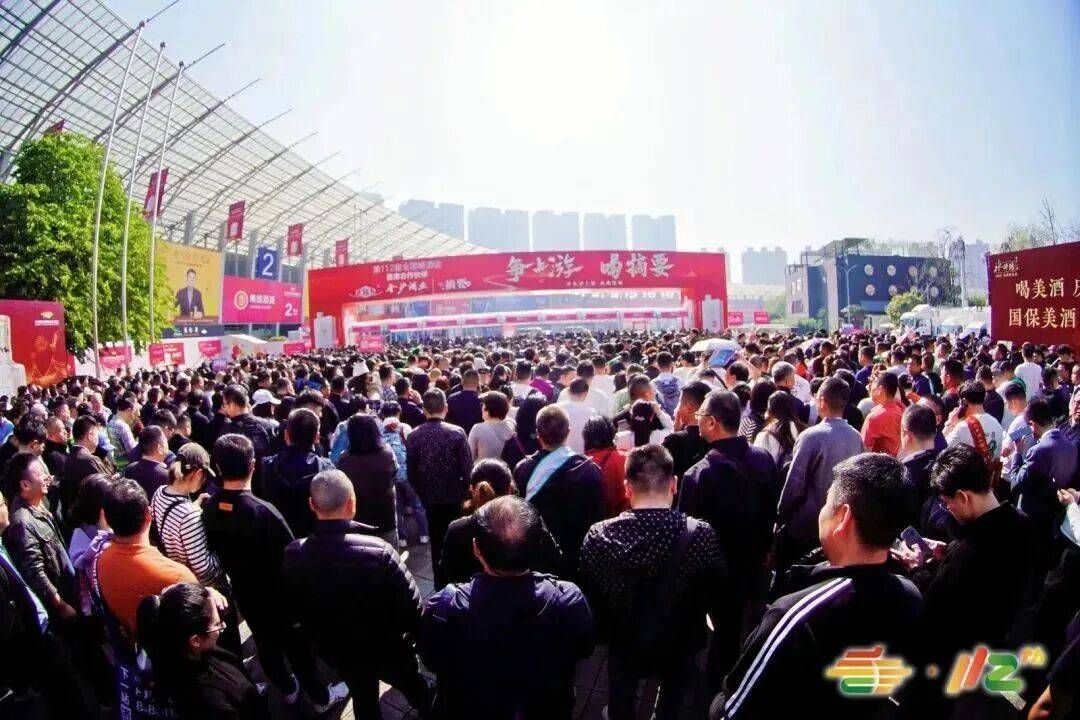
The annual China Food & Drinks Fair (hereafter referred to as the Fair), held every spring, has long been regarded as a key annual event in China’s alcohol beverage industry. It serves not only as a crucial platform for brand display but also as an important window for industry practitioners to exchange information and observe market trends.

In recent years, amid shifts in consumption structure and market adjustments, the wine sector has entered a new transformation cycle. Enterprises have gradually adopted new approaches in terms of exhibition participation, investment scale, and exhibition objectives. From large importers and mid-sized distributors to local Chinese wineries, different types of businesses now hold diverse understandings and strategies toward the Fair.
On the eve of this year’s Fair, Winemagazine interviewed alcohol importers including Shenzhen Devofast HoldingCompany Limited (hereafter referred to as the Shenzhen Xunmao) and Xiamen Fond Wine IMP & EXP Co., Ltd. (hereafter referred to as the Xiamen Fengde Wine), as well as Chinese wineries Tiansai Vineyards and Chateau Mihope, to gain insights into how enterprises view this industry event from various perspectives.
Large Importers: The Fair Still Holds Commercial Value, and Leading Enterprises Remain Competitive
For large importers, the Fair remains an important channel platform. Despite changes in the market environment, it can still deliver stable commercial conversion for enterprises with solid brand foundations and operational teams.
Yuan Ping, General Manager of Shenzhen Xunmao, stated that the company has participated in the Fair for more than ten consecutive years with almost no interruptions. In previous years, the company usually joined both the hotel exhibitions and the main fair at the exhibition center. This year, however, it will focus on hotel exhibitions for brand display and client reception.
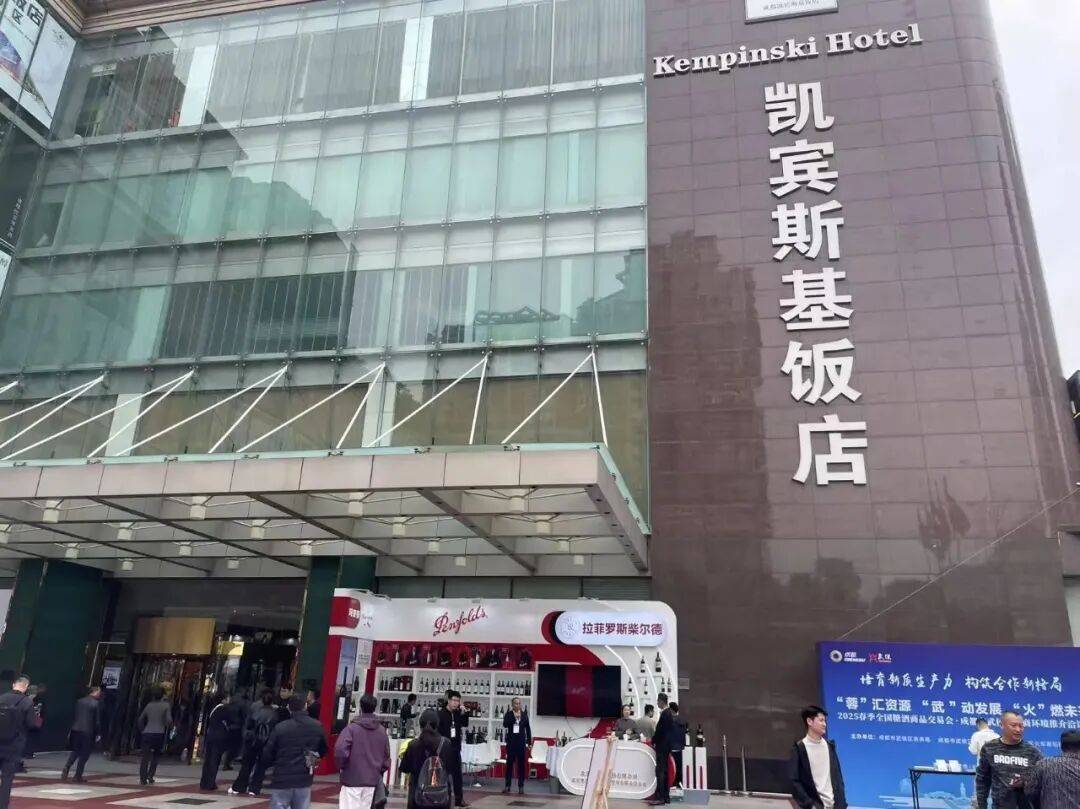
Shenzhen Xunmao has chosen to exhibit at the Kempinski Hotel. According to Yuan Ping, this decision was based on a comprehensive evaluation of the organizer’s capabilities and the quality of exhibitors. The Kempinski Hotel has attracted many big brands in the past two years, making it easy for clients to find desired resources. It has gradually become a gathering place for leading enterprises. Some large importers have also set up long-term booths on the first floor or in the surrounding ground-floor shops of the hotel.
In Yuan’s view, the Fair currently offers three core values for enterprises: client relationship maintenance, brand image promotion, and dealer recruitment.
“Every year we attend the Chengdu Fair, we basically recruit a group of distributors, with a total investment scale of about 2 to 3 million yuan,” she said.
She admitted that Shenzhen Xunmao’s ability to recoup exhibition costs lies in clear pre‑event strategies, such as setting strict KPIs for the sales team to complete a fixed number of client meetings within the four‑day hotel exhibition and ensure a certain proportion of new clients. Meanwhile, operational management during the fair and follow‑up client conversion have improved overall transaction efficiency.
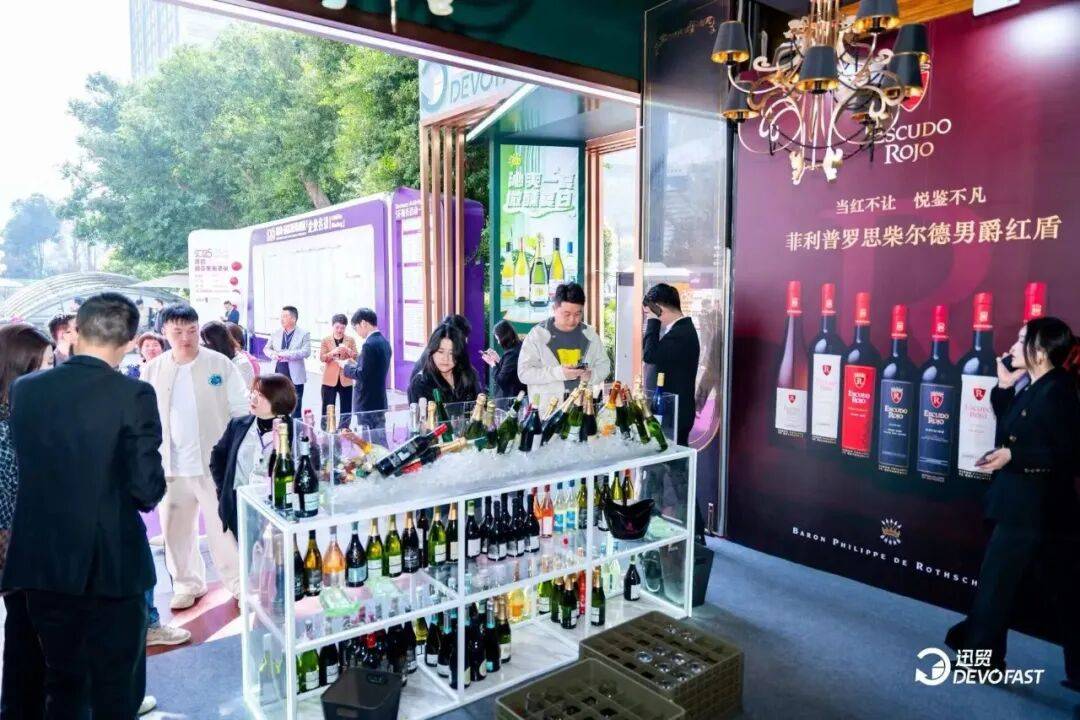
Mid‑Sized Enterprises: Fewer New Deals, but Industry Communication Remains Essential
Compared with large importers, some mid‑sized distributors have adopted more cautious strategies for the Fair.
Wu Yonglei of Xiamen Fengde Wine noted that the company used to join both hotel exhibitions and the main fair, with large‑scale booths in the hotel zone. In recent years, however, it has gradually scaled down its presence, moving from the Kempinski and Shangri‑La hotels to the Niccolo Hotel this year. The core reason is that the Niccolo Hotel focuses on prestigious chateaux, matching the company’s product and image positioning.
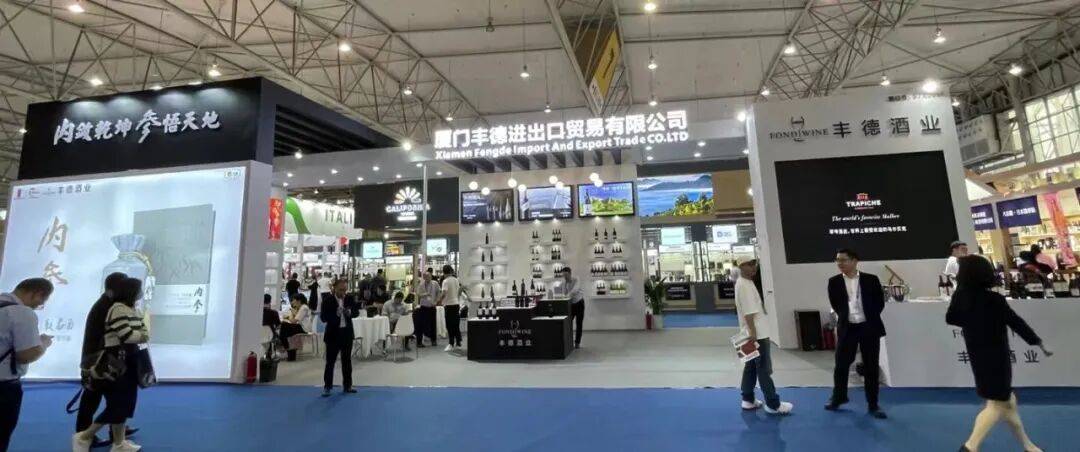
Wu continues to attend the Fair mainly to understand distributors’ needs. He believes the entire wine industry is in transition, and enterprises must face consumers directly and meet the real demands of young people. As distributors are at the frontline of the market, listening to their needs is particularly important.
Market demand and consumer groups are changing. Well‑known big brands are now facing the reality that consumers are no longer automatically buying in, and traditional brand stories have lost their appeal. Young people, in particular, drink for pleasure rather than for show or status, focusing more on their own experience.
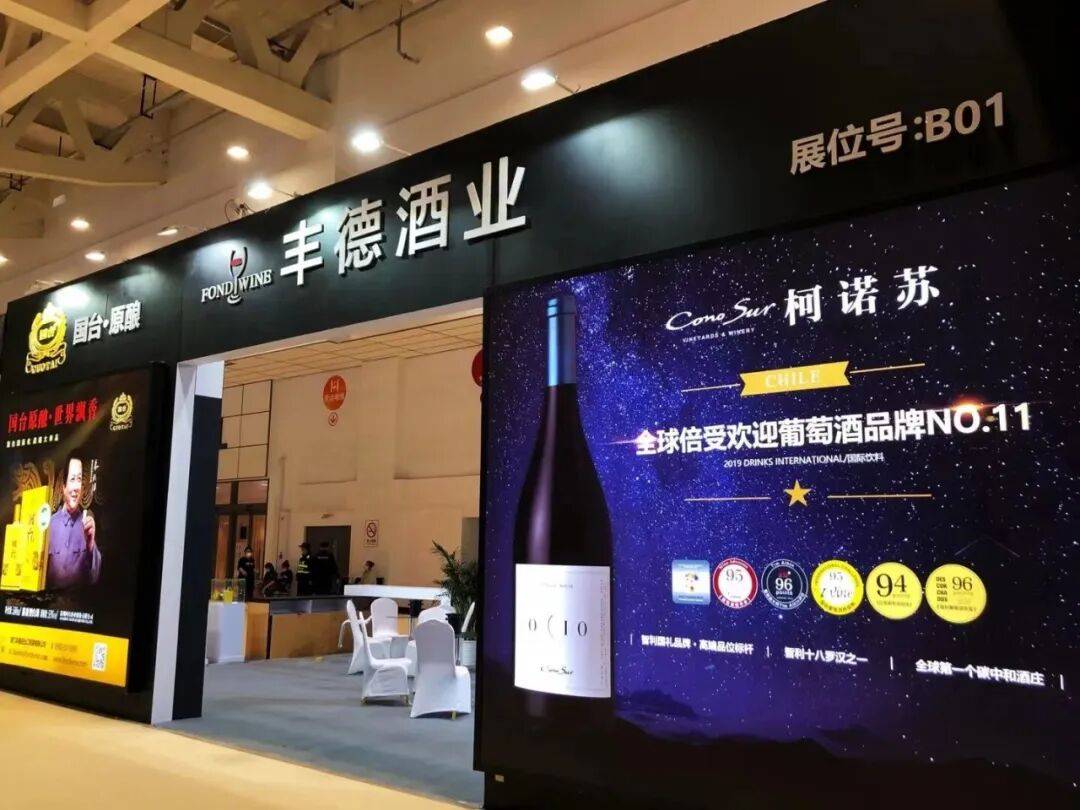
When choosing products, young consumers care more about the product itself than complicated brand stories and are more rational in their spending. On the one hand, they prefer entry‑level products that feel affordable. On the other hand, their demands are more diverse, no longer limited to traditional categories such as red, white, and rosé wines.
In response to these changes, Xiamen Fengde Wine is adjusting its product portfolio: increasing cost‑effective products, introducing more diverse styles, and expanding into spirits to meet new market demands.
Chinese Wineries: From “Participants” to “Competitors” at the Fair
For Chinese wineries, the Fair increasingly functions as a stage for brand display and industry communication.
With the development of China’s wine industry, more and more local wineries regard the Fair as an important platform to showcase brand strength, promote regional culture, and engage in industry exchanges. Beyond one‑off transactions, brand influence and long‑term partnerships have become their core goals.
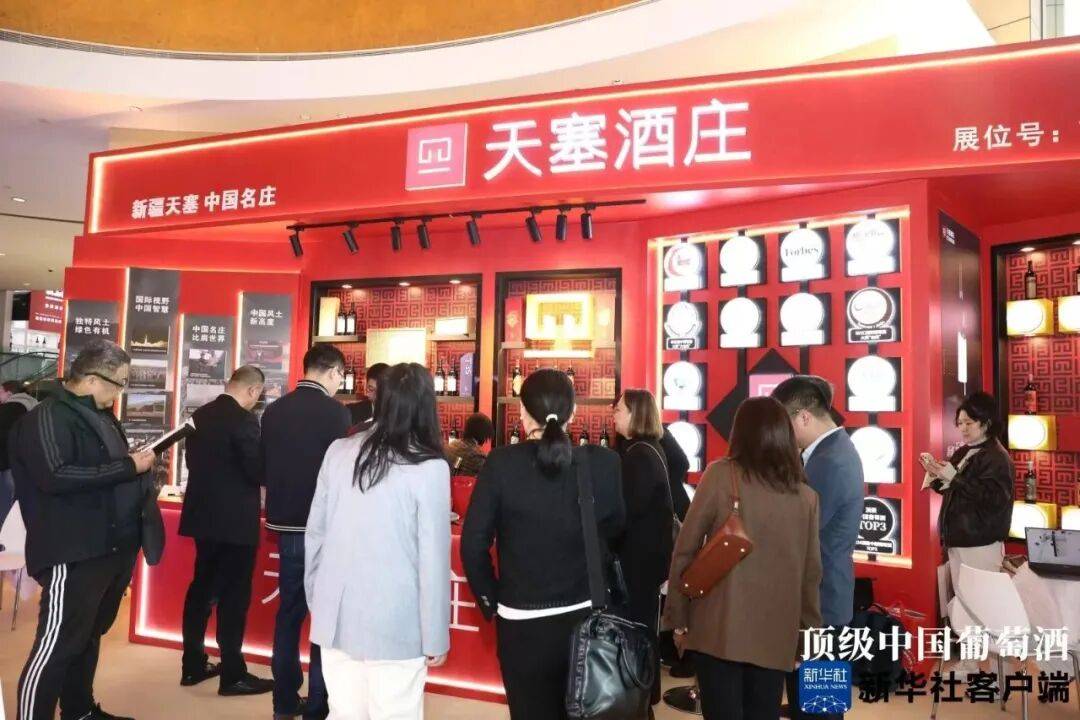
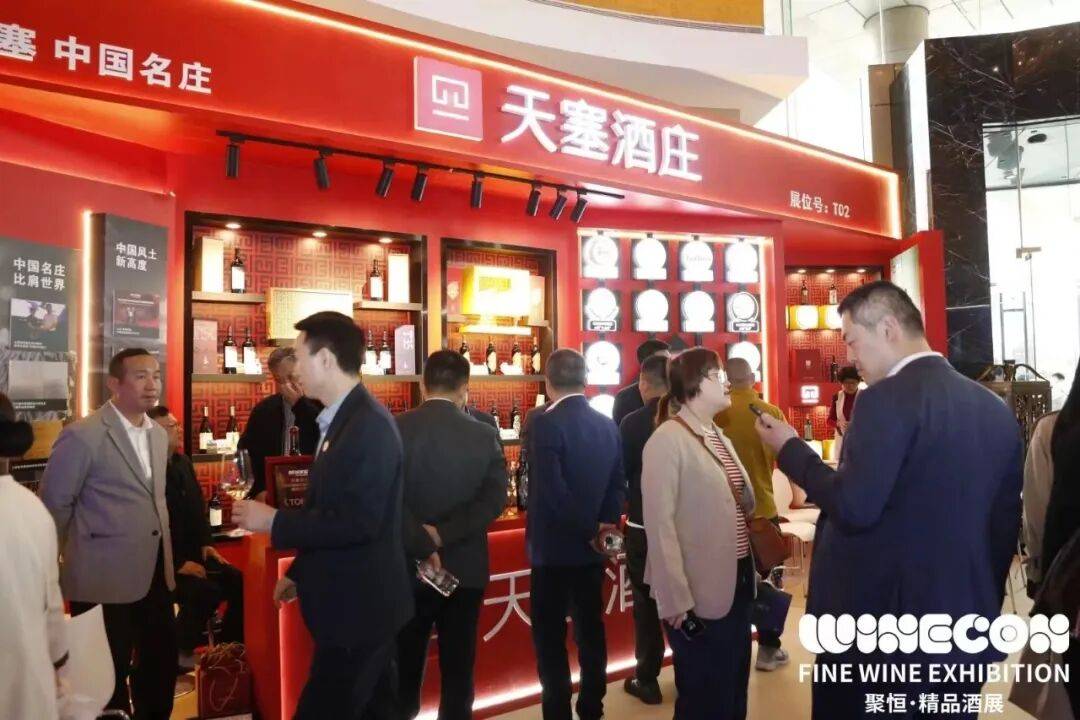
Chen Lizhong, Owner of Tiansai Vineyards, said the winery will deeply participate in this year’s Fair through hotel exhibitions, setting up brand booths and joint zones at the Chengdu Shangri‑La, Niccolo, and Xanadu hotels. It will present its T‑Series, S‑Series, SKY‑Series, and other product lines, systematically showcasing the terroir and brand philosophy of the Yanqi region in Xinjiang through tastings and presentations, and communicating face‑to‑face with distributors, professional media, and wine enthusiasts nationwide.
In Chen’s opinion, as China’s wine market matures, consumers pay increasing attention to the terroir stories, brewing concepts, and cultural connotations behind products. The Fair’s significance for wineries goes far beyond dealer recruitment; it is more about building brand image and establishing industry voice.
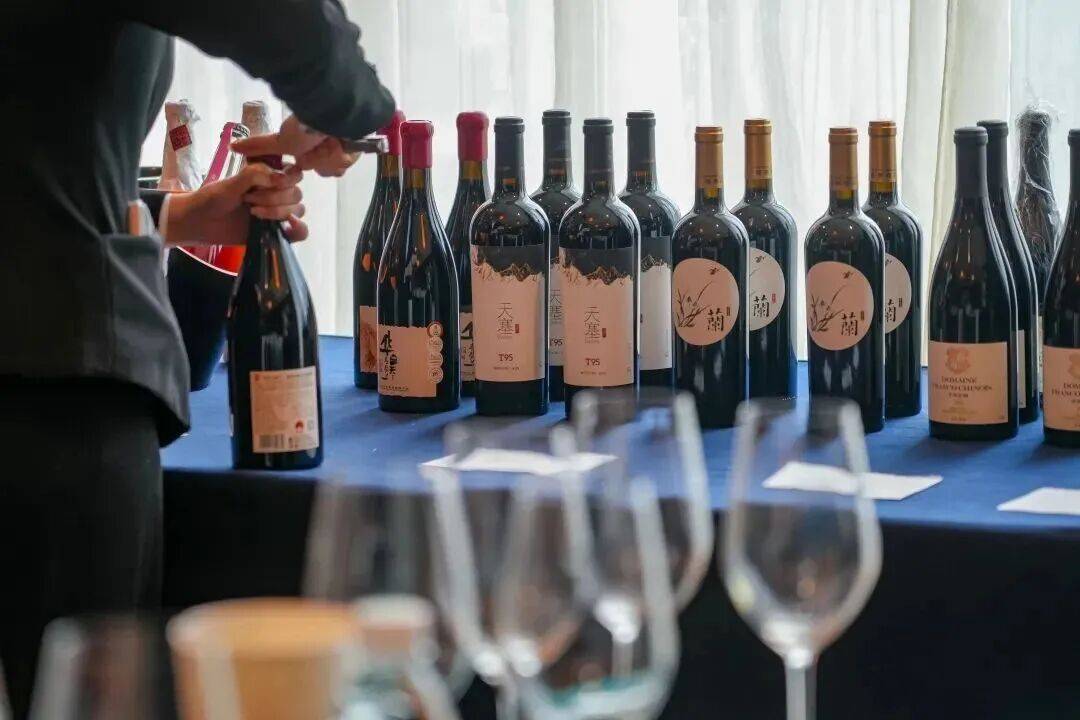
In the past, standards, evaluation systems, and discourse power in China’s wine industry were largely dominated by foreign institutions and traditional wine‑producing countries. However, with the rapid improvement of quality in regions such as Xinjiang, Ningxia, and Yunnan in recent years, Chinese wineries are seizing the best opportunity to gain more influence.
Chen believes that the Fair brings together national industry institutions, media, and channel partners. Through booth displays, masterclasses, and industry forums, Chinese wineries can systematically demonstrate product quality and brand culture while participating in trend discussions, thus raising overall industry recognition of Chinese wines.
“Distributors today are more rational. Many Chinese liquor distributors are also entering the wine sector, and they prefer brands with clear positioning, cultural depth, and a long‑term mindset,” Chen said. Tiansai Vineyards’s strategy is to deeply cultivate its brand, engage in the industry, attract like‑minded partners, and jointly promote the healthy development of China’s premium wine market.
Just as Chinese wines are growing their domestic market share, the role of Chinese wineries at the Fair is also undergoing a profound shift: from initial “participants” to emerging “competitors.” Amid industry restructuring, domestic wines are substantially increasing their share in the mid‑to‑high end market. Going forward, Tiansai Vineyardswill continue to view the Fair as a strategic platform and maintain proactive investment—not only “maintaining scale” but also “improving efficiency,” ensuring investment precisely reaches partners and consumers and conveying the winery’s quality and culture.
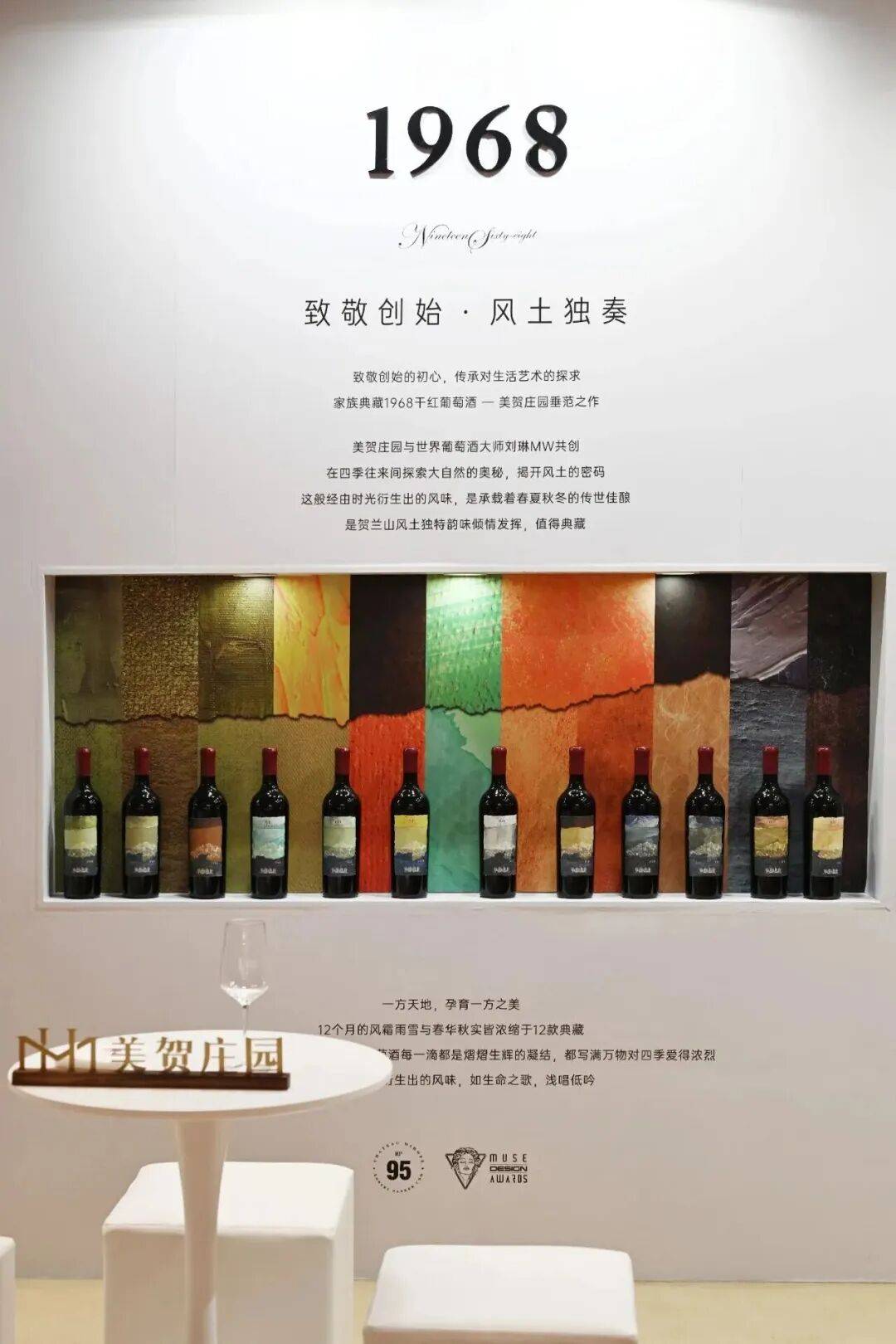
Chateau Mihopealso regards the Fair as an important platform for brand display and industry communication. According to the winery’s representative, Chateau Mihope has participated in the Fair every year since 2020, presenting its brand and wines through specially designed artistic booths. This year, Chateau Mihope will set up a brand booth at the Niccolo Hotel in Chengdu and host a masterclass to share its red wine, which scored 97–98 points—the highest among Chinese wines—at the Bettane&Desseauve.
Conclusion
Based on feedback from different types of enterprises, it is clear that the role of the China Food & Drinks Fair is evolving. During the industry’s high‑growth period, the fair was a major channel for dealer recruitment. In today’s market environment, enterprises focus more on long‑term values such as brand building, client relationship maintenance, and industry communication.
Meanwhile, exhibition strategies have diversified: large enterprises continue deep participation, mid‑sized enterprises invest more rationally, and Chinese wineries use it as a key stage for brand expression and cultural communication.
During this industry transition, the Fair may no longer be a purely transactional platform. Yet undeniably, as one of the most influential annual events in China’s alcohol beverage industry, it still plays a vital role in connecting enterprises, channels, and the market.
P.S.